The AI Equation for Small Business
Measurement used to be expensive for small businesses to invest in. AI made it cheap and easy enough to run all the time, and that changes what an owner-operator can do.
The oldest rule in management is that what gets measured improves. Every owner-operator knows it. Few of them actually run their business that way.
They don’t, because measurement was expensive. It took analysts, software budgets, clean data, and hours that don’t exist when you’re the one unlocking the door in the morning. Big companies bought measurement by the department. Small businesses ran on instinct and a spreadsheet, and most still do.
AI changed the math. The marginal cost of analyzing the information you already produce has collapsed, cheap enough that measurement becomes a weekly habit instead of an annual project. Some businesses have already noticed.
It comes down to a simple equation: measure more, learn faster, decide better. AI lets you measure things you couldn’t before. It shortens the time between the work happening and you understanding it. And the payoff only lands when that understanding changes a decision. Miss that last step and all you’ve bought is expensive dashboards.
What changed
Two things. First, depth. AI can reach further into your operation than a spreadsheet ever let you: raw material costs, sourcing times, lead times, the second and third-order patterns that were always buried too deep in the stack to dig out by hand. The burden of producing clean, organized data is lifted, so you can ask a hard question on a Tuesday and have an answer, and a deeper discussion, by the afternoon.
Second, and bigger, is what counts as a number now. Forget spreadsheets and paper documents. Video and audio became measurable. For coaching businesses (sports, music, tutoring), the raw material of the craft was never data before. A golf swing, a violin scale, a student working through a problem: you could watch it, but capturing it at scale was out of reach. Now every lesson can produce a record: what was covered, what improved, what to drill next. Technique gets flagged from footage. Progress gets tracked per student, automatically, instead of living in the coach’s memory. This is a co-pilot for the coach, and curated video breakdowns are a premium product parents and students will pay for, built from footage you were already capturing on a phone.
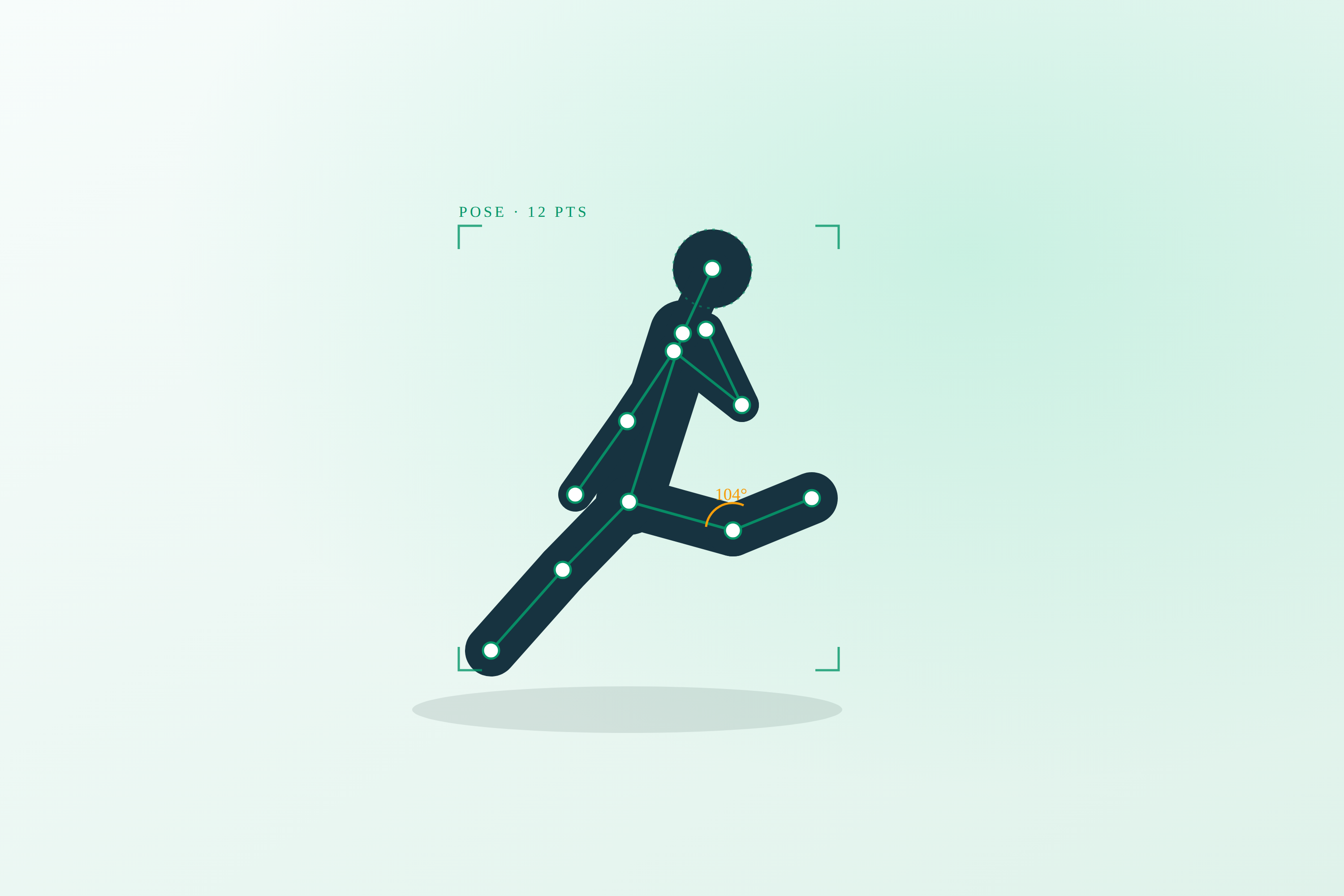 Video turns the craft into data: every joint, every rep, now measurable.
Where I think this goes
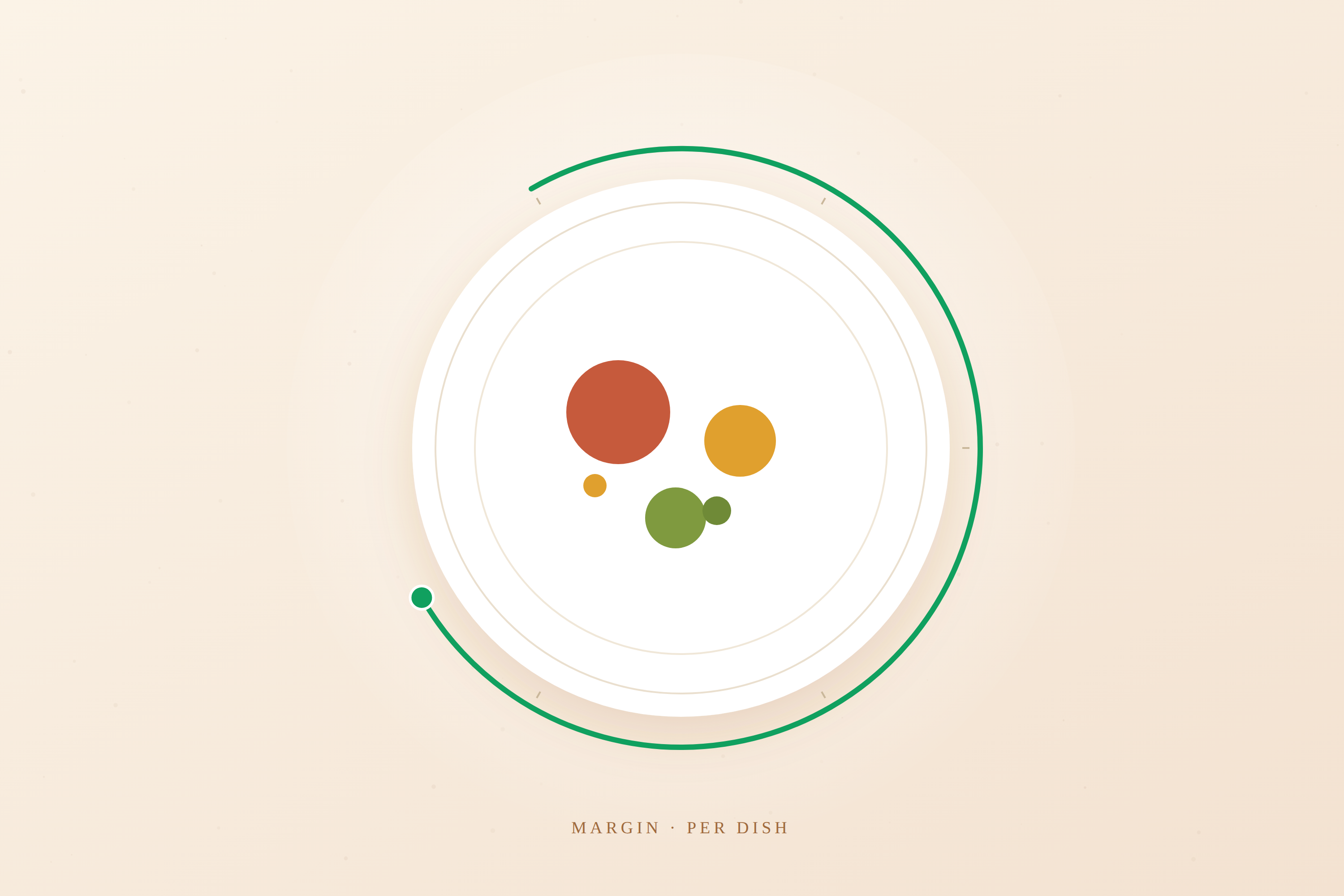 Which dishes actually earn their place, measured by the margin on each.
A restaurant. Of forty menu items, which three slipped underwater when ingredient costs moved? Where the real waste is coming from. Which supplier increase is worth a phone call, and which dish to push this week because of it.
A cleaning, pool, or landscaping business. This one is really about customer service. After every visit, the customer gets an instant report: what was done, who did it, photos as proof. Issues the crew spotted get flagged before anyone has to ask. Honestly, most businesses never did any of this. It was too much work for a busy crew, so the follow-through simply never happened, even though skipping it is bad customer service. Now it writes itself.
Personalized consulting or coaching. This is where aural and spatial data earns its keep. The cadence and hesitation in a client’s voice, the posture and movement a camera catches, the through-lines across a dozen sessions. Read together, they let you tailor each engagement to the individual in front of you rather than the average client in your head.
Whatever the shape of the operation, the loop is the same. Watch what sells, watch how customers behave, decide, and measure again. When you run lean, that loop does the work a hire used to.
One honest limit
AI does not rescue a business that measures nothing, and it cannot tell you which outcomes matter. You still choose the question, sanity-check the signal, and act on the answer. The tool got cheap. The judgment is still yours.
Start with one number
Skip a grand AI strategy. Pick one question you answer by instinct today, that comes up at least monthly, and that would change a real decision about money, time, or customers. A few that qualify for almost anyone:
- Which work actually makes money?
- Where are we losing time?
- Which customers are about to leave?
Put AI on one of them this week. When the answer changes what you do, pick the next one.
Measure more, learn faster, decide better. For the first time, a small business can afford to run that loop every week.
Where have you seen a small business use AI to measure something that used to be invisible? I’d genuinely like to know. And if that business is yours and you want a hand putting it to work, my door is open.
— Abhishek